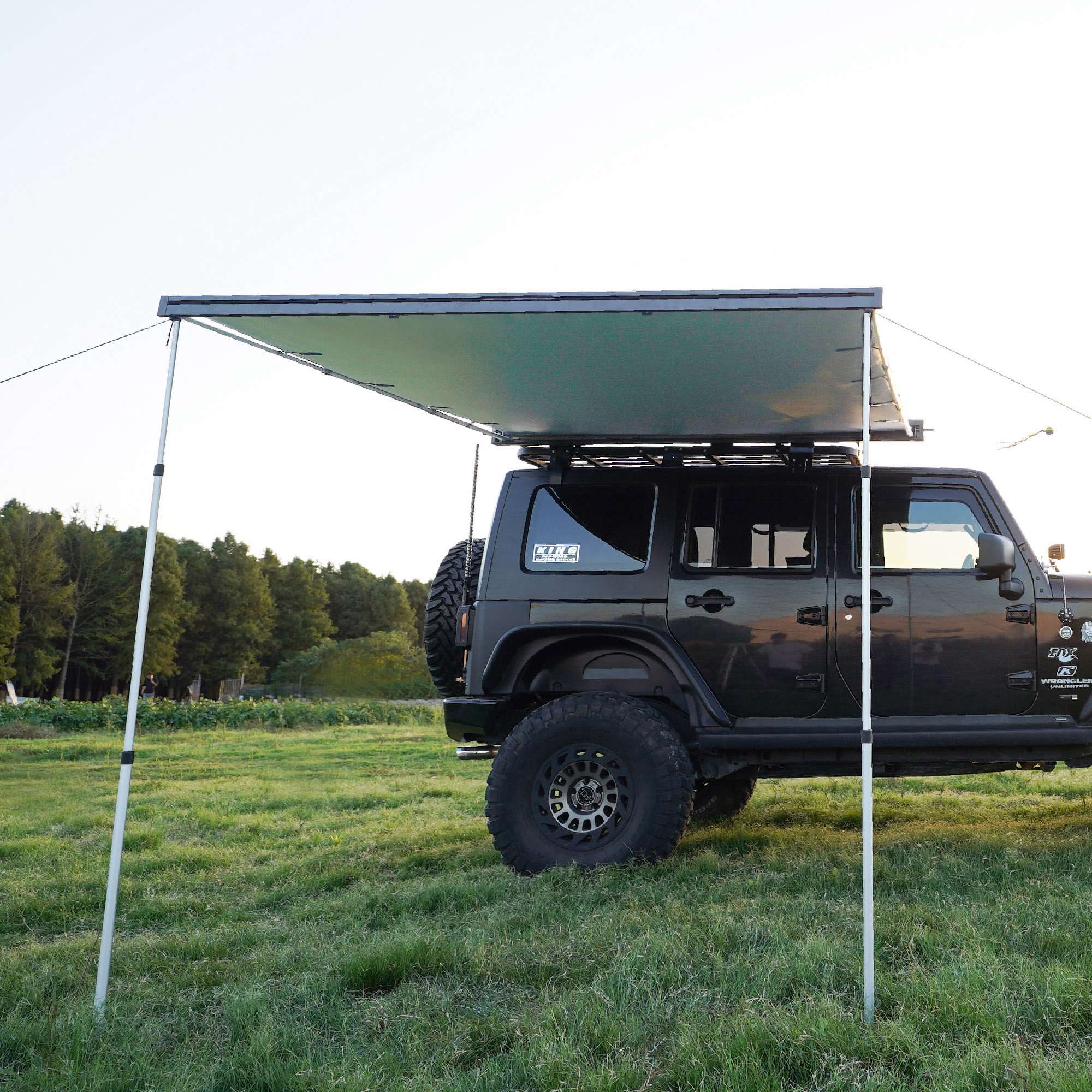
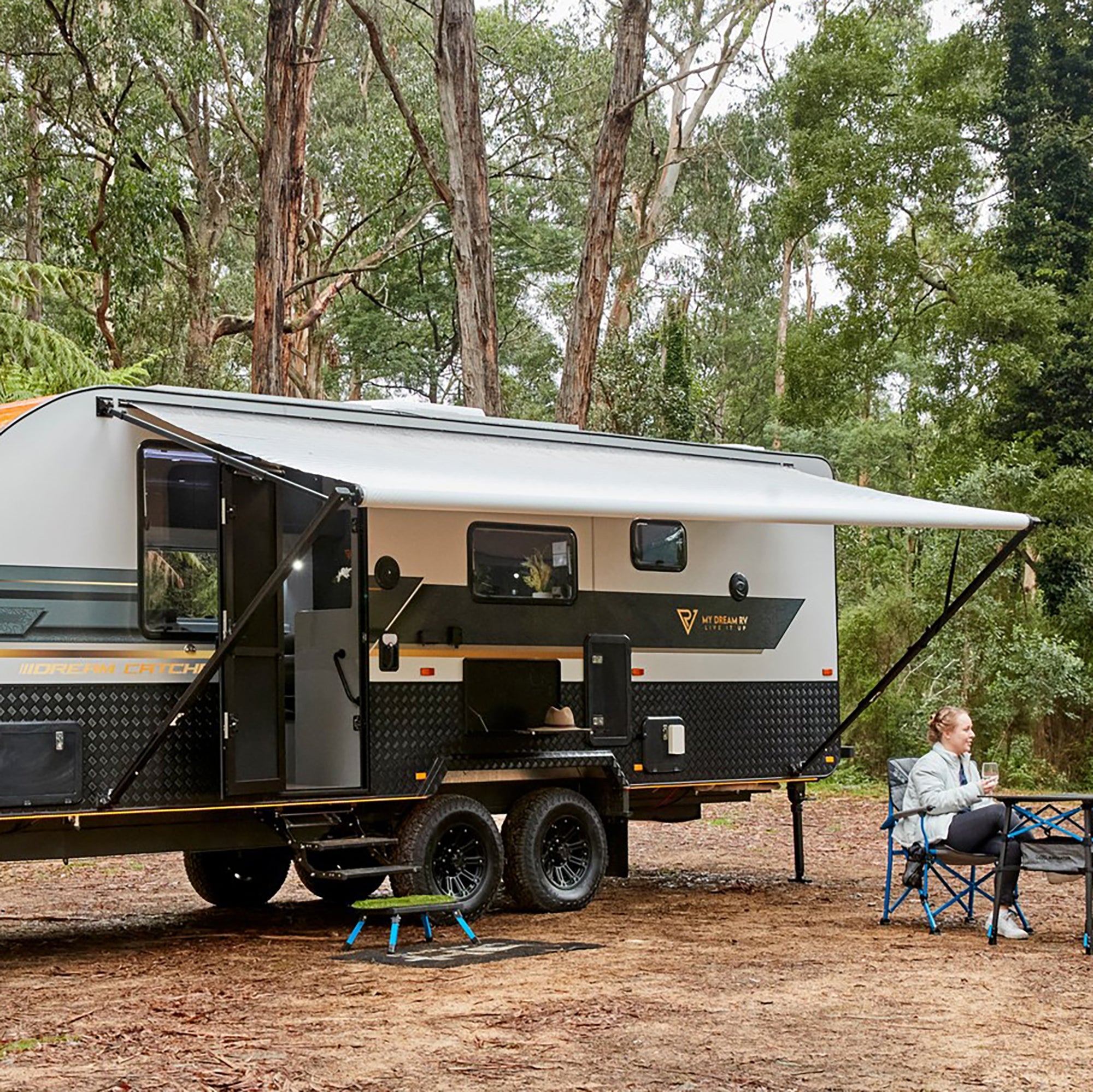
What AWNLUX is
AWNLUX is a specialist RV and vehicle-shade brand, not a one-product storefront. Its catalog covers manual and powered patio awnings, slide-out toppers, replacement vinyl, SUV shelter, and support parts. The company says it began in 2010 and emphasizes internal development, testing, measurement support, and common RV sizes.
That breadth is the main attraction. A shopper with damaged fabric can start near $99.99 instead of replacing a full system. Slide-out owners can choose a topper from $206.99, while complete patio awnings begin at $729.99 manual or $859.99 electric. Buyers can match the purchase to the actual failure point.
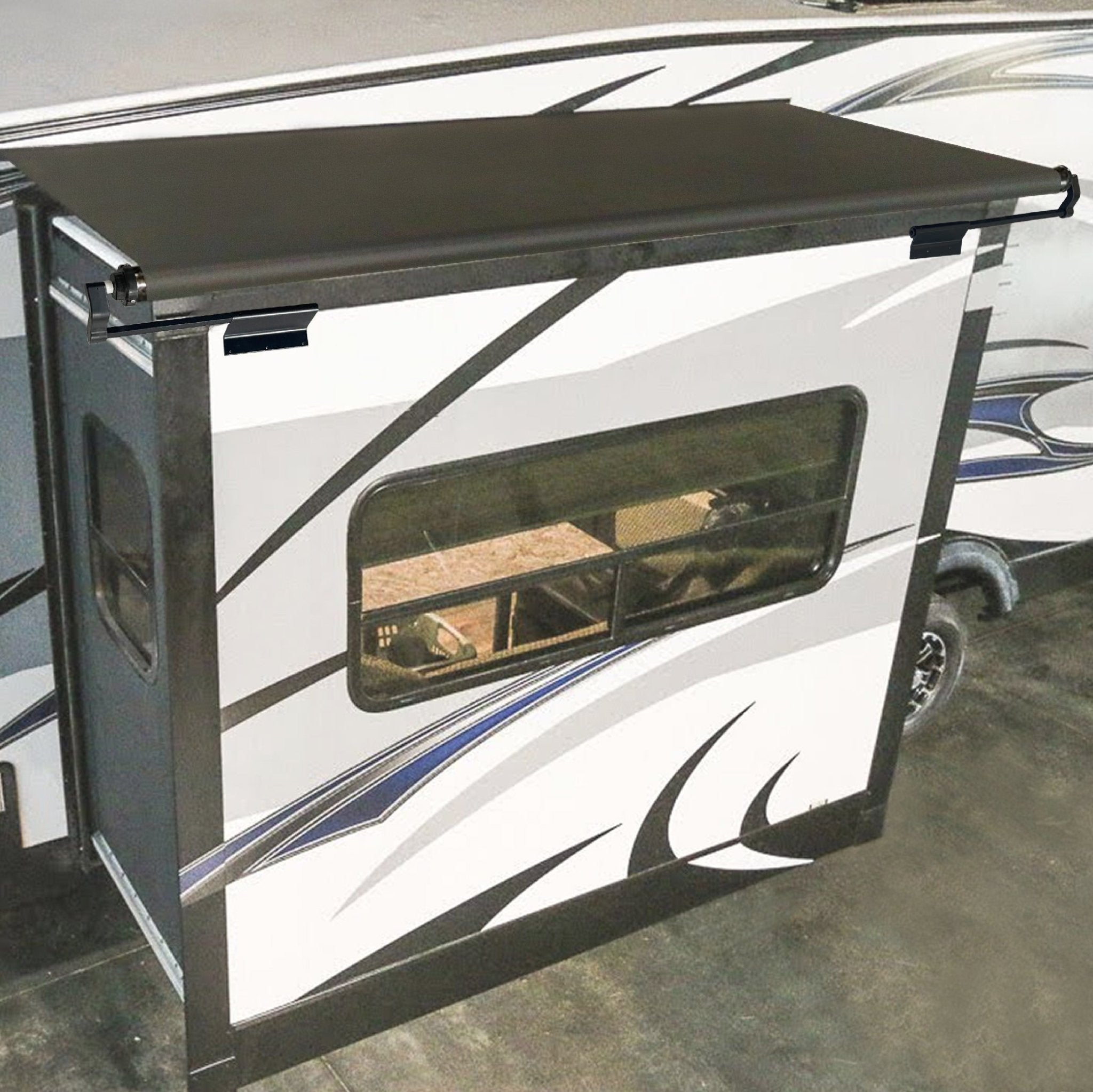
How the product choices differ
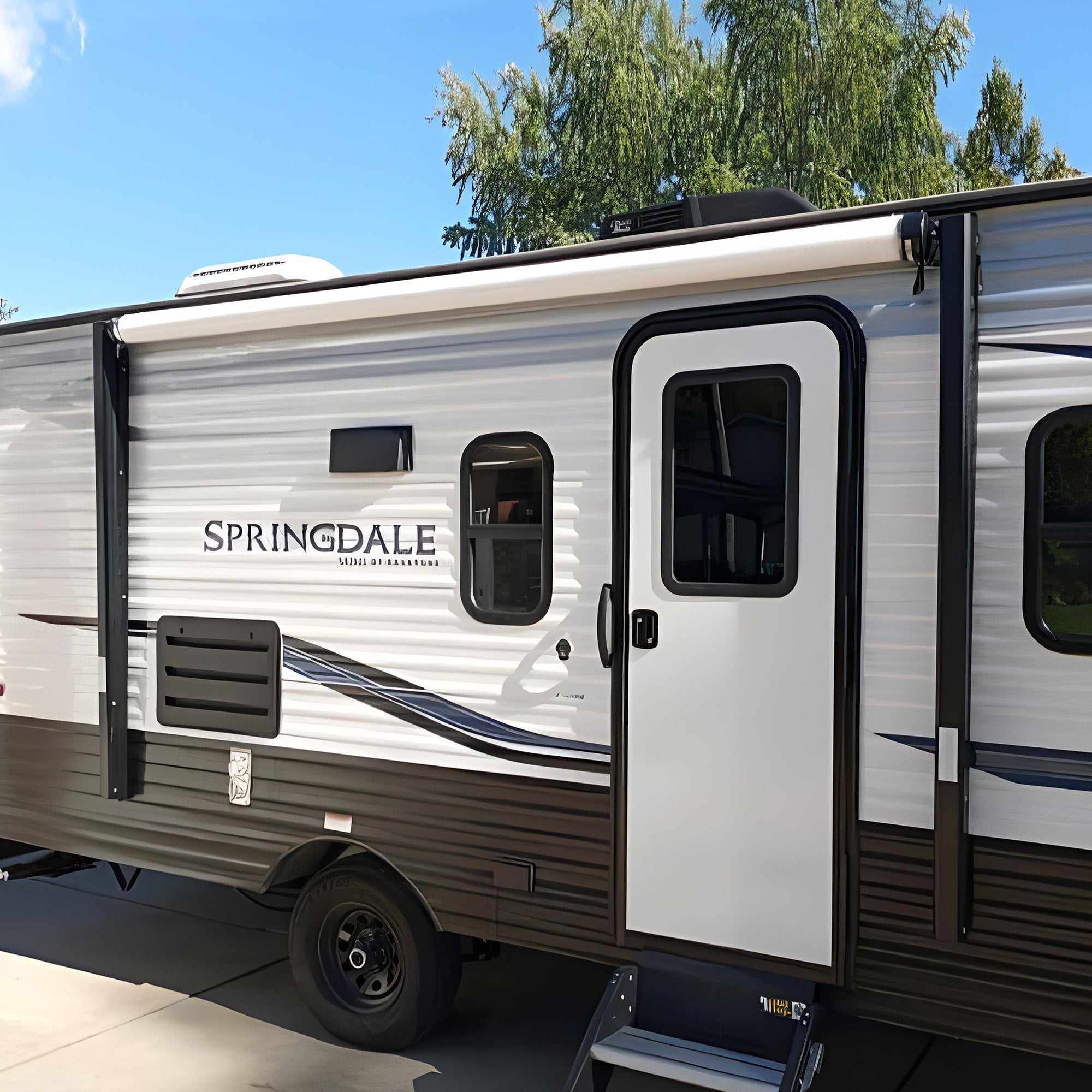
The slide topper has the strongest review signal. It offers 22 listed sizes from 5'6" through 16', black or white choices, and a measurement guide. It covers the slide-out roof against debris, water, UV exposure, and nesting pests. Its 146 five-star, 15 four-star, and two three-star reviews calculate to about 4.88/5.
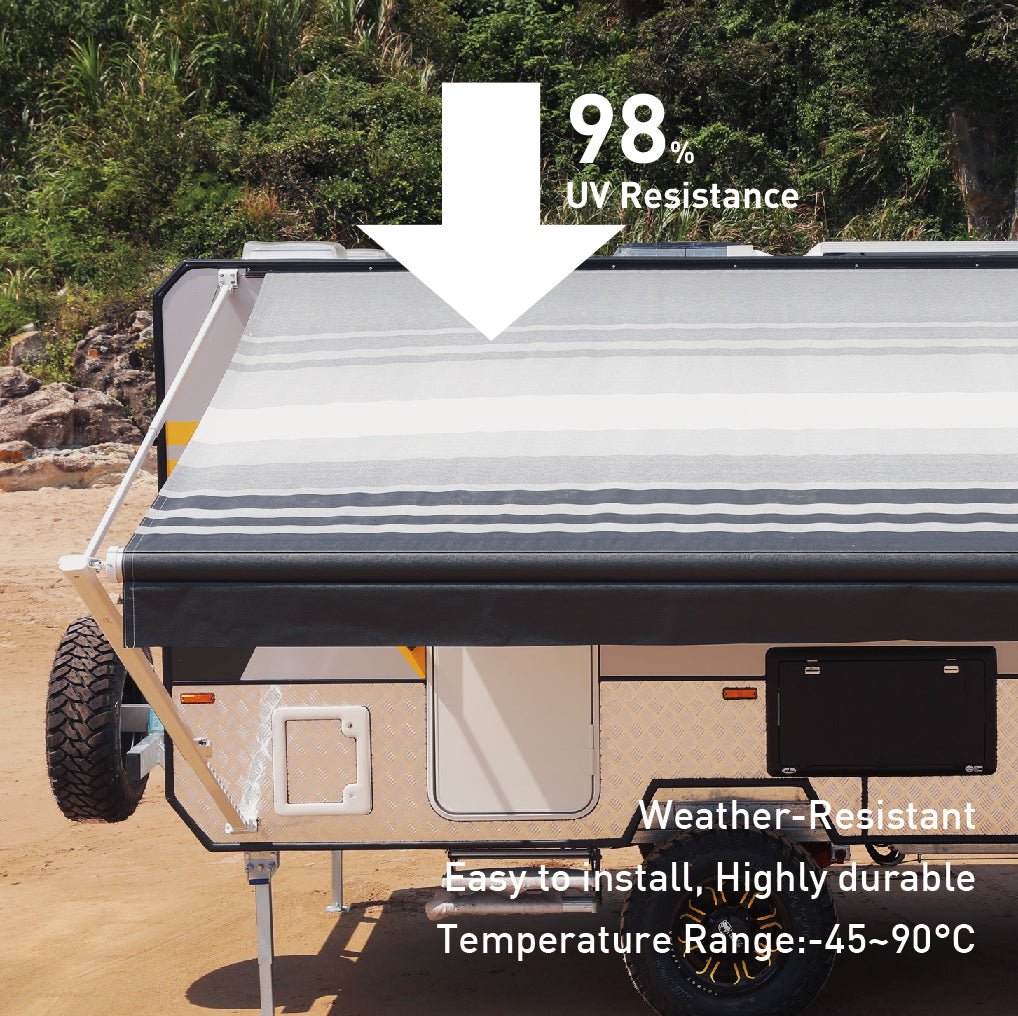
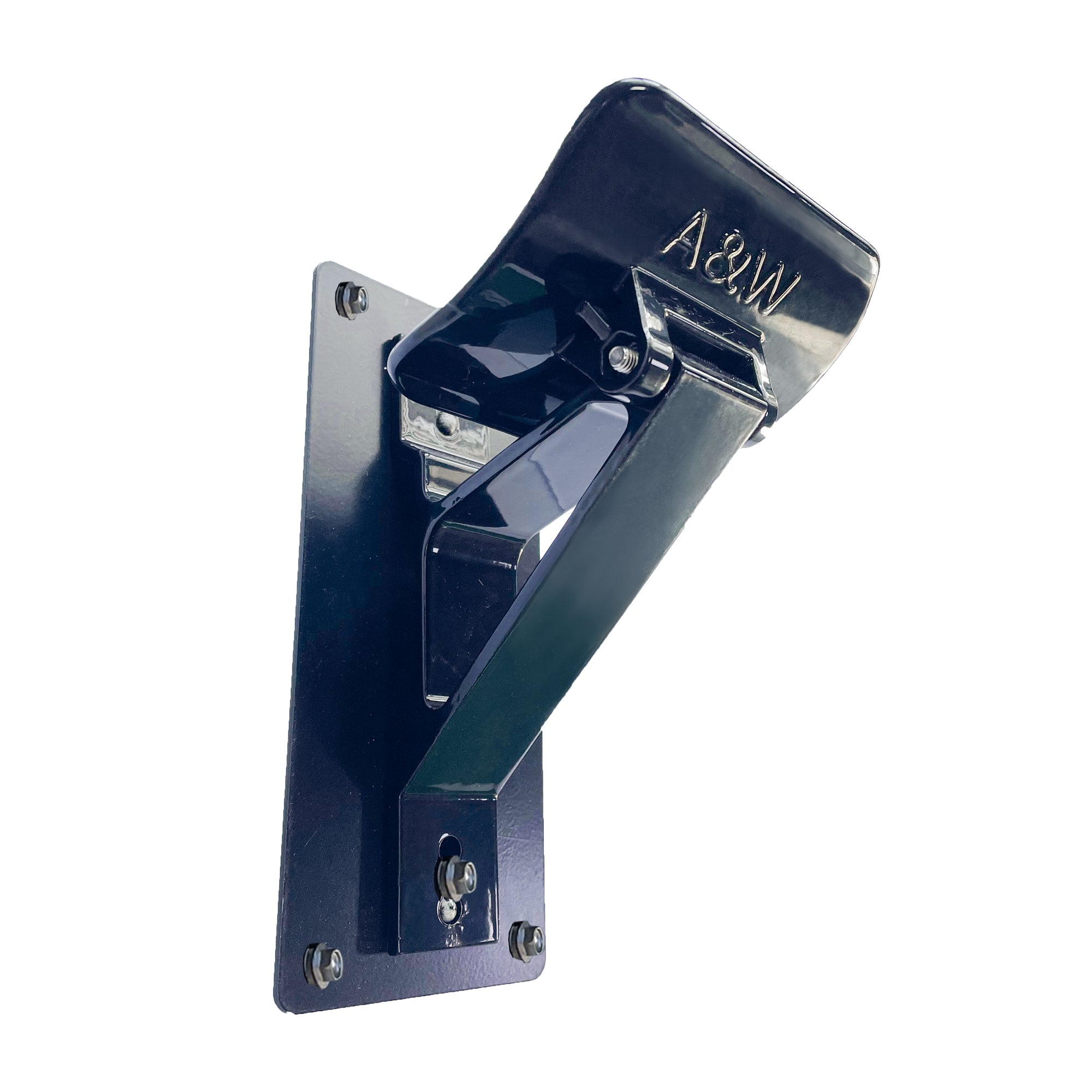
The manual patio kit includes arms, roller tube, fabric, sail track, brackets, and accessories in widths from 8 to 21 feet. The electric version adds switch control, stated operation in under one minute, intermediate stopping, and a backup hand crank. Its published electrical specification is DC12V and 7A.
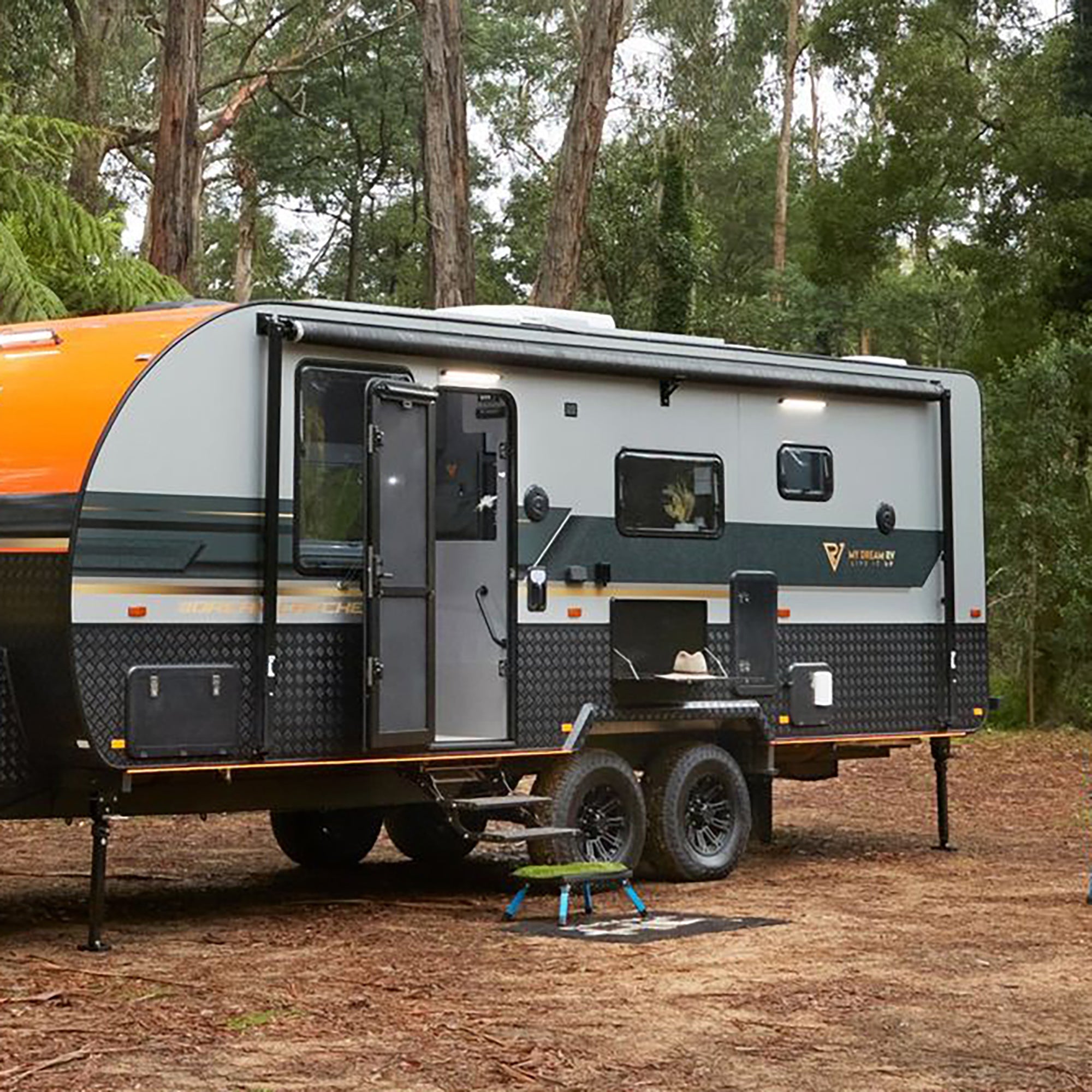
What stands out positively
AWNLUX publishes useful selection detail: size charts, colors, material specifications, installation resources, compatibility selectors, and measurement support. Core manual and electric kits list aluminum frames and 16 oz, four-layer vinyl. Replacement fabric lists UPF50+ protection and options for Carefree, Dometic, Lippert, Faulkner, Carter, and other systems.
The price ladder is also practical. A $29.99 roller cradle can address a narrow support issue. Fabric from $99.99 preserves usable hardware. The $399.99 4x4 awning adds vehicle-side shelter with two doors, two windows, mosquito curtains, and a zippered PVC floor.
Where buyers need to be careful
Measurement is essential. AWNLUX lists compatibility with several common systems, but its FAQ warns that old mounting positions may not line up. Confirm flange-to-flange width, arm dimensions, fabric size, and the exact variant before ordering. Post-order size confirmation is helpful, but it cannot replace accurate initial measurements.
Installation is the second caution. Guides and videos are available, yet reviews range from straightforward setups to jobs needing two or three people, careful spring tensioning, or professional help. Some feedback also mentions instructions or supplied hardware. Recruit a helper and inspect the kit before assembly.
Finally, check current policies and stock. Some variants were sold out or backordered. One page states 3–6 US business days while another says 5–7. The 60-day return window is useful, but assembled, used, sale, or customized products may be excluded, and fees may apply.